Water Quality Control at the Point of Use
Reverse Osmosis Installation in McMinnville for families seeking high-quality drinking and cooking water free from dissolved minerals and contaminants
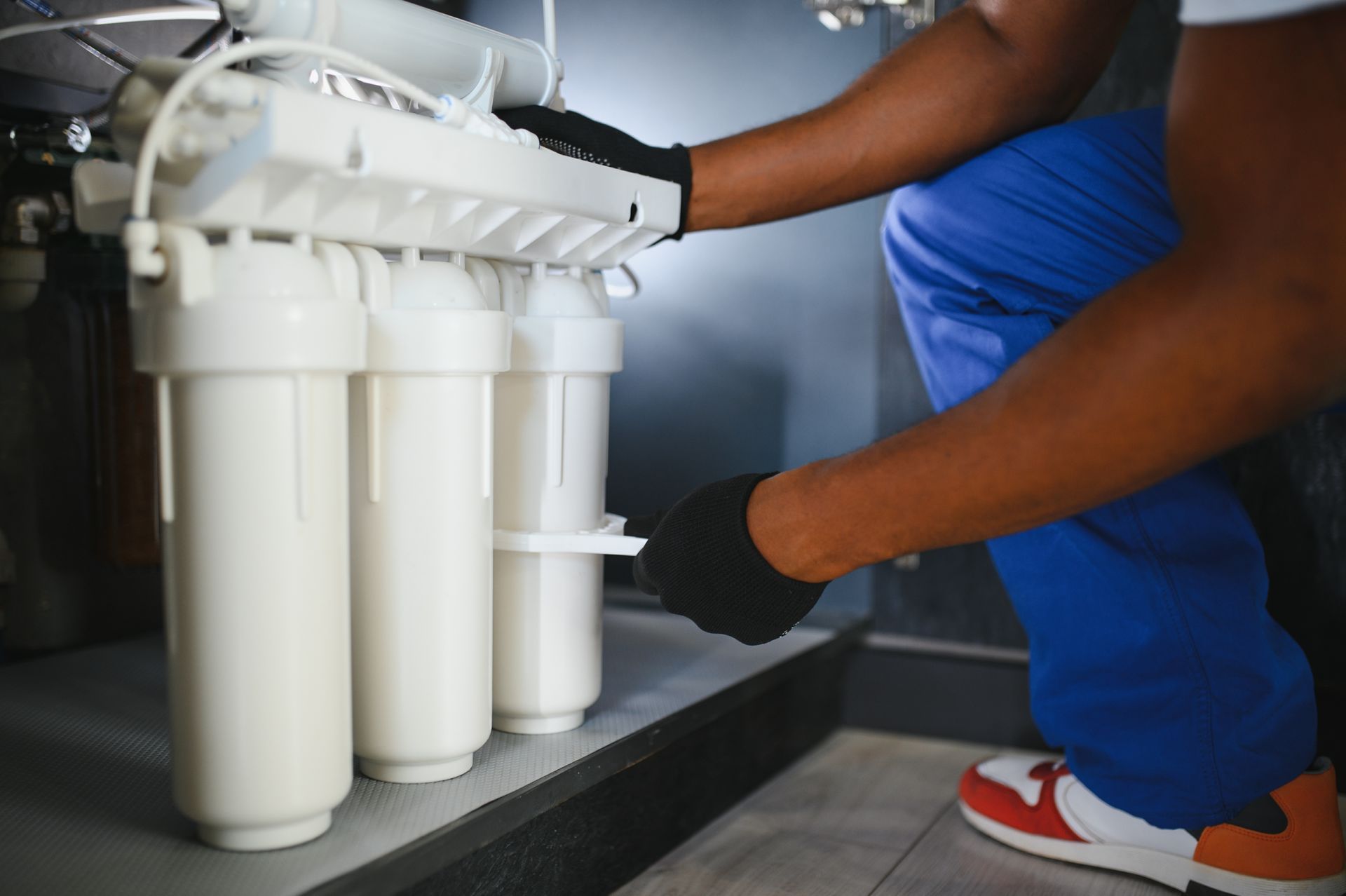
Rural Tennessee water quality varies significantly depending on your source—municipal supply, private well, or rural water association—and reverse osmosis systems remove dissolved minerals, sediment, and contaminants that affect taste, clarity, and safety. The system works by forcing water through a semi-permeable membrane that traps particles too small for standard filtration, delivering purified water to a dedicated faucet or throughout your entire home. AMS Plumbing Services installs point-of-use systems under kitchen sinks and whole-home configurations for customers who want consistent water quality at every tap.
Water testing precedes system design, assessing your contaminant profile to determine whether a point-of-use unit addresses your needs or if a whole-home system makes more sense based on usage patterns and water chemistry. Installation includes membrane housing, filtration stages, storage tank, and fittings designed for your available space and daily water demand.
Request water testing to assess your current water quality and determine which reverse osmosis configuration fits your household needs.
Installation begins with water testing to identify what you're removing—hardness minerals, chlorine, sediment, dissolved solids, or specific contaminants flagged in well water reports. System placement depends on whether you need purified water only at the kitchen sink or throughout the house, and AMS Plumbing Services designs the setup based on your daily usage, available space under sinks or in utility areas, and whether your water pressure is sufficient to push water through the membrane without a booster pump. Filter replacement schedules are provided at installation so you know when each stage needs service to maintain water quality.
After installation, you'll notice water that tastes and smells noticeably cleaner, no mineral residue on glassware or in coffee makers, and ice cubes that are clear instead of cloudy. Point-of-use systems deliver purified water to a dedicated faucet at the sink, while whole-home installations treat water before it reaches any fixture, eliminating scale buildup in water heaters and showerheads.
Reverse osmosis complements whole-home filtration by providing a final purification stage for drinking and cooking water. Whole-home systems address sediment and chlorine throughout your plumbing, while RO targets dissolved solids and contaminants that require membrane filtration to remove effectively.
Common Questions About Reverse Osmosis Systems
Choosing and maintaining a reverse osmosis system involves understanding how the technology works and what ongoing service it requires.
How does reverse osmosis differ from standard water filtration?
Reverse osmosis uses a semi-permeable membrane to remove dissolved solids, minerals, and contaminants at the molecular level, while standard filters trap larger particles like sediment and chlorine but allow dissolved substances to pass through.
What maintenance does a reverse osmosis system require in McMinnville?
Pre-filters and post-filters typically need replacement every six to twelve months, and the RO membrane itself lasts two to five years depending on your water quality and daily usage volume.
Can a reverse osmosis system be installed under any kitchen sink?
Most under-sink installations fit in standard cabinet spaces, though you need adequate clearance for the membrane housing, storage tank, and access to a drain line for rejected water that doesn't pass through the membrane.
How much water does reverse osmosis waste during filtration?
RO systems reject water that carries away trapped contaminants, typically producing three to four gallons of waste for every gallon of purified water, though this ratio improves with higher-efficiency membranes and proper inlet pressure.
When should I choose whole-home reverse osmosis instead of point-of-use?
Whole-home RO makes sense when well water testing shows high dissolved solids or specific contaminants throughout your supply, or when you want purified water at every fixture without maintaining multiple point-of-use units.
Water quality directly affects taste, appliance longevity, and household health. AMS Plumbing Services offers free water testing and can design a reverse osmosis system tailored to your specific water chemistry and usage needs in McMinnville.