Claim Free Quotes and Water Testing
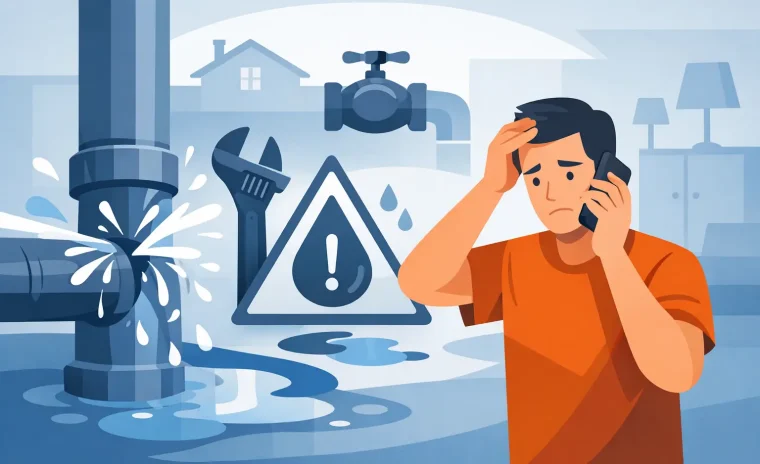
Water pouring from a wall or ceiling can turn a normal day into a home emergency in minutes. The right burst pipe emergency steps can limit damage, protect your belongings, and help you regain control before a small disaster becomes a major repair.
The First Burst Pipe Emergency Steps to Take
Your first job is not finding the leak. It is stopping the water supply. In most homes, that means turning off the main water shutoff valve as quickly as possible. If you already know where it is, go there first. If not, check near where the water line enters the home, around the basement, crawl space, garage, utility room, or near the water meter.
Once the main water is off, open cold water faucets throughout the house to drain remaining water from the lines. Flush toilets a couple of times if needed to empty what is left in the system. This helps reduce pressure and slows continued leaking from the damaged section of pipe.
If water is near light fixtures, outlets, appliances, or your electrical panel, do not step into standing water to investigate. Shut off power to the affected area only if you can do so safely from a dry location. If there is any doubt, leave the electrical system alone and call for emergency help right away.
Protect the House Before the Repair Starts
After the water is off, the next priority is limiting damage inside the home. Move rugs, furniture, boxes, electronics, and anything absorbent away from the wet area. If water is dripping from a ceiling, place buckets or containers under active leaks and move valuables out of the room.
Wet drywall, insulation, flooring, and trim can begin to deteriorate fast. If you have towels, a mop, or a wet vacuum, start removing as much water as you reasonably can. Fans and air circulation help, but they do not replace an actual plumbing repair. Drying matters, but stopping the source always comes first.
If the burst happened under a sink or behind a washing machine, the cleanup may be fairly contained. If the pipe bursts inside a wall, attic, crawl space, or slab area, the damage can spread farther than it first appears. That is one reason homeowners often need a licensed plumber quickly, even when the visible leak seems small.
Know When a Burst Pipe Is More Than a Simple Leak
Not every plumbing leak is a burst pipe, but when a line splits or cracks under pressure, the volume of water is usually the giveaway. A pinhole leak may drip steadily. A burst pipe often sends water out forcefully, soaks surrounding materials fast, and may affect water pressure in other parts of the house.
You may also notice signs before seeing the pipe itself. These can include sudden water stains, bulging drywall, warped flooring, puddles with no obvious source, banging or unusual pipe noise, or a sudden spike in your water bill. In winter, a frozen line that has thawed can also reveal itself all at once.
The challenge is that the visible damage is not always where the pipe failed. Water travels. A ceiling stain may come from a line above, behind, or several feet away. That is why guessing can waste valuable time.
What to Do While Waiting for the Plumber
Once the main valve is off and the area is as safe as possible, call a plumbing professional. Be ready to explain where the leak is, whether water is still flowing, and whether the problem involves a wall, ceiling, floor, water heater area, or fixture supply line. Clear details can help the plumber prepare for the visit.
While you wait, keep the area accessible. If the pipe is under a sink or behind stored items in a utility space, move what you can without creating more mess or risk. If the leak is in a finished room, take quick photos of the damage for insurance records before cleanup changes the scene too much.
If you can see the damaged section and it is safe to reach, a temporary patch may help reduce minor dripping after shutoff, but it should never be treated as the fix. Pipe repair tape, clamps, or similar stopgap measures only buy time. The pipe still needs a proper repair or replacement.
Common Mistakes Homeowners Make During a Burst Pipe Emergency
One common mistake is shutting off water at a nearby fixture instead of the main line. That may work for a faucet supply tube or toilet line, but it will not help if the break is on a main branch serving multiple areas.
Another mistake is delaying the call because the leak appears to have stopped. Once the water is off, the visible flow may stop, but the plumbing system is still compromised. Turning the water back on without repair can restart the problem immediately.
Some homeowners also focus only on cleanup and ignore hidden moisture. Water behind walls, under cabinets, or beneath flooring can lead to swelling, odor, staining, and mold concerns if it is not addressed quickly. It depends on where the pipe burst and how long water flowed, but hidden damage is common.
Trying to cut into walls or replace piping without the right tools is another risk. Residential plumbing systems may include copper, PEX, CPVC, galvanized steel, or a mix of materials from older and newer work. What seems like a simple repair can become more complicated if the wrong connection, fitting, or repair method is used.
Why Burst Pipes Happen in the First Place
Freezing temperatures are a major cause, but they are not the only one. Water expands as it freezes, increasing pressure inside the pipe until the line cracks or separates. Pipes in attics, crawl spaces, garages, exterior walls, and poorly insulated areas are more vulnerable.
Age also matters. Older pipes can weaken from corrosion, mineral buildup, or repeated stress over time. High water pressure can make things worse, especially in homes with existing weak spots in the system. Poor installation, shifting materials, and accidental damage from drilling or remodeling can also lead to sudden failure.
Sometimes the real cause is not obvious until a plumber inspects the line. That matters because repairing the burst is only half the job. If the pressure is too high or insulation is missing in a problem area, the same issue can happen again.
How a Professional Plumber Handles the Repair
A licensed plumber will start by locating the damaged section and checking whether the burst is isolated or part of a larger problem. In some cases, a single repair is enough. In others, a section of pipe needs replacement, especially if the material is aged, brittle, or corroded.
The repair approach depends on the pipe type, access, and extent of damage. A break under a sink is usually straightforward. A burst in a wall, ceiling, or crawl space may require more access and a more careful repair plan. There is always a balance between speed and doing the work correctly, and a good plumber will explain what is urgent now and what may need follow-up restoration afterward.
If the burst pipe affected multiple parts of the home, the plumber may also check pressure, inspect nearby lines, and look for signs of freeze damage or wear elsewhere in the system. That extra step can prevent another emergency a week later.
Reducing the Chance of Another Burst Pipe Emergency
After the immediate repair, prevention is worth your attention. Know where your main water shutoff is and make sure everyone in the household knows too. Insulate exposed pipes in vulnerable areas, especially before cold weather. Disconnect outdoor hoses when freezing temperatures are expected, and protect exterior spigots if needed.
If your home has had past plumbing issues, unusual pressure, or aging pipes, a professional inspection can be a smart move. Preventive repairs are usually far less disruptive than emergency water damage. For homeowners in McMinnville and nearby communities, having a dependable local plumber in mind before something goes wrong can save valuable time.
A burst pipe feels overwhelming in the moment, but a calm response makes a real difference. Shut off the water, protect the area, avoid electrical hazards, and get qualified help fast. The sooner the right repair starts, the better chance you have of keeping the damage smaller and the recovery simpler.